
FRAGILITY
Eiko Nakahara
Japan
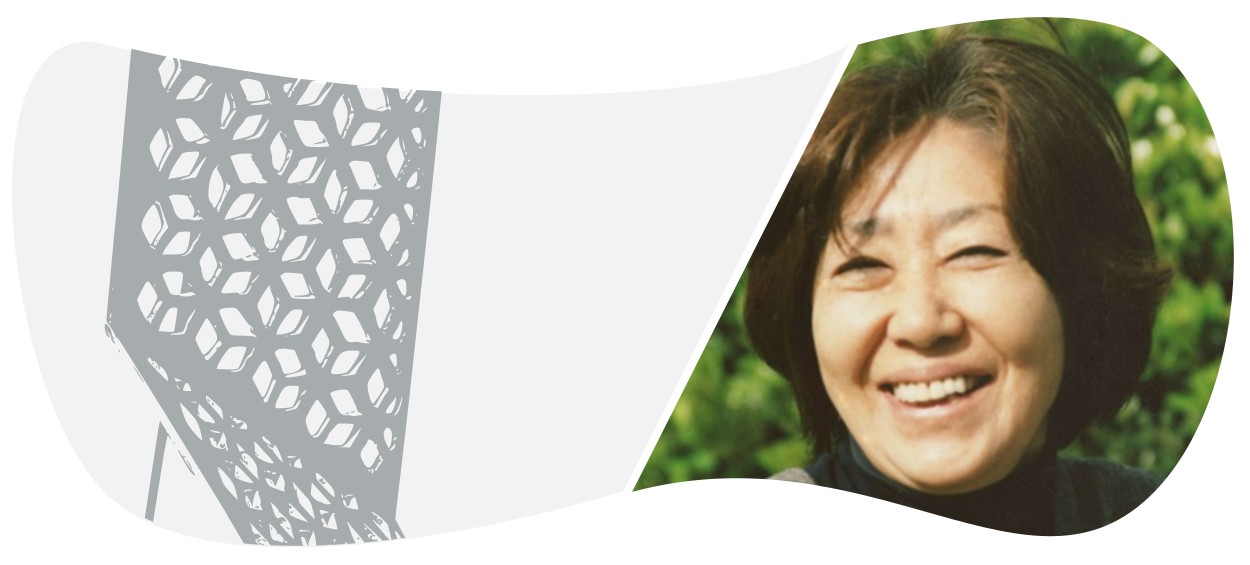
Things we believed would never break often turn out to be fragile, brittle, and weak. We sometimes find beauty in broken objects or ruins. Yet even if we perceive life and beauty in fragile, weak things, witnessing the scenes of frequent natural disasters in recent years makes us keenly aware of human powerlessness in various forms.
Here, I believe we must pause and consider what it means to be “fragile and weak.” A fragile house, for instance, is simply one susceptible to external forces like earthquakes or storms. Likewise, the human heart cannot help but be wounded by another’s unexpected words. The “fragility of the human heart” is nothing other than an inability to close one’s ears to others’ words, a state of being open to others against one’s own will. I believe “fragility” is a state where one’s very existence is exposed to the outside world.
Here, I believe we must pause and consider what it means to be “fragile and weak.” A fragile house, for instance, is simply one susceptible to external forces like earthquakes or storms. Likewise, the human heart cannot help but be wounded by another’s unexpected words. The “fragility of the human heart” is nothing other than an inability to close one’s ears to others’ words, a state of being open to others against one’s own will. I believe “fragility” is a state where one’s very existence is exposed to the outside world.
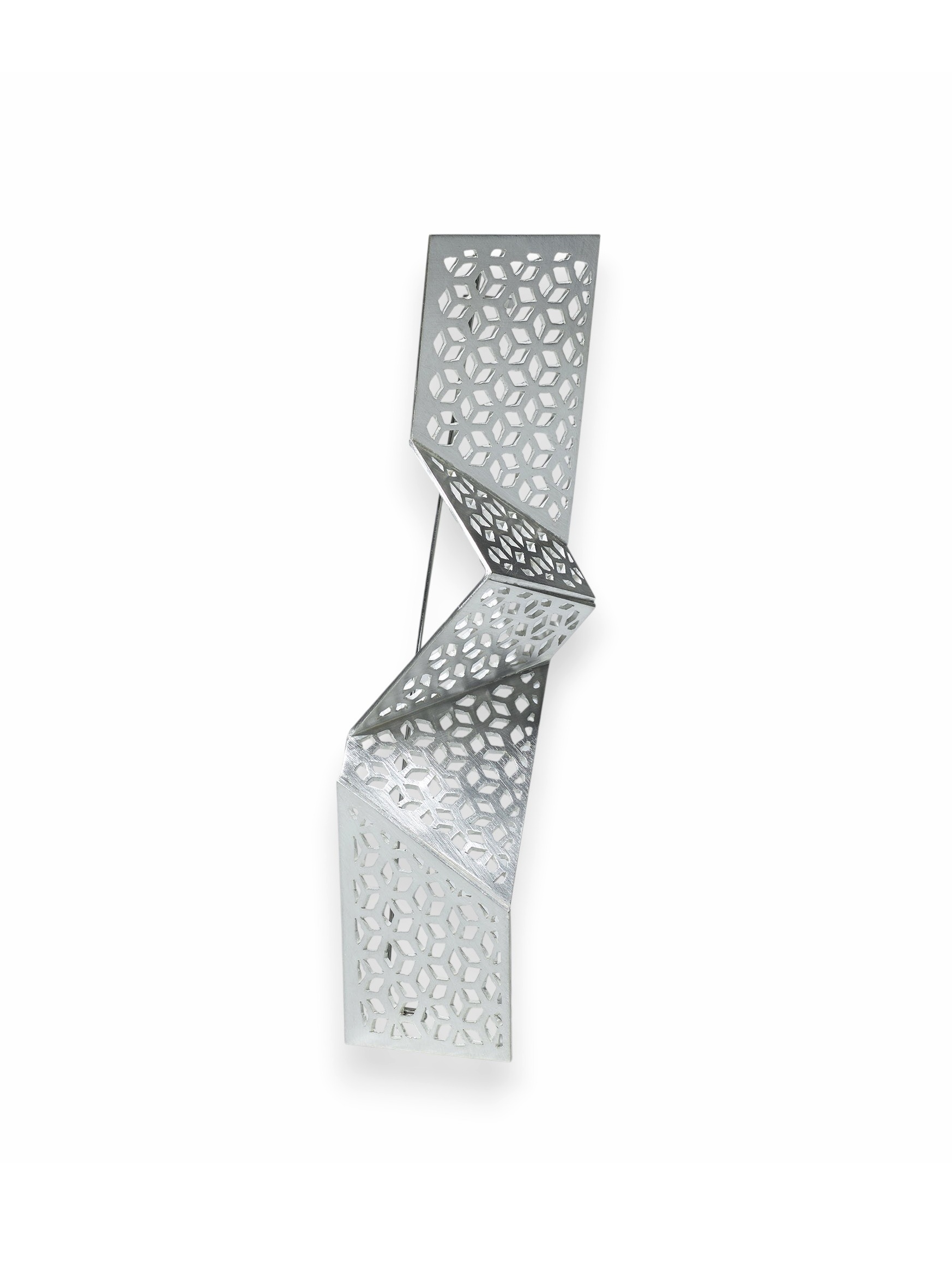
Brooch « Wavering-Heart-1 », 2025
110×30×20 mm / 19 gr
Silver950, Stainless steel spring wire
Openwork
Photo : Shion-Kizuki
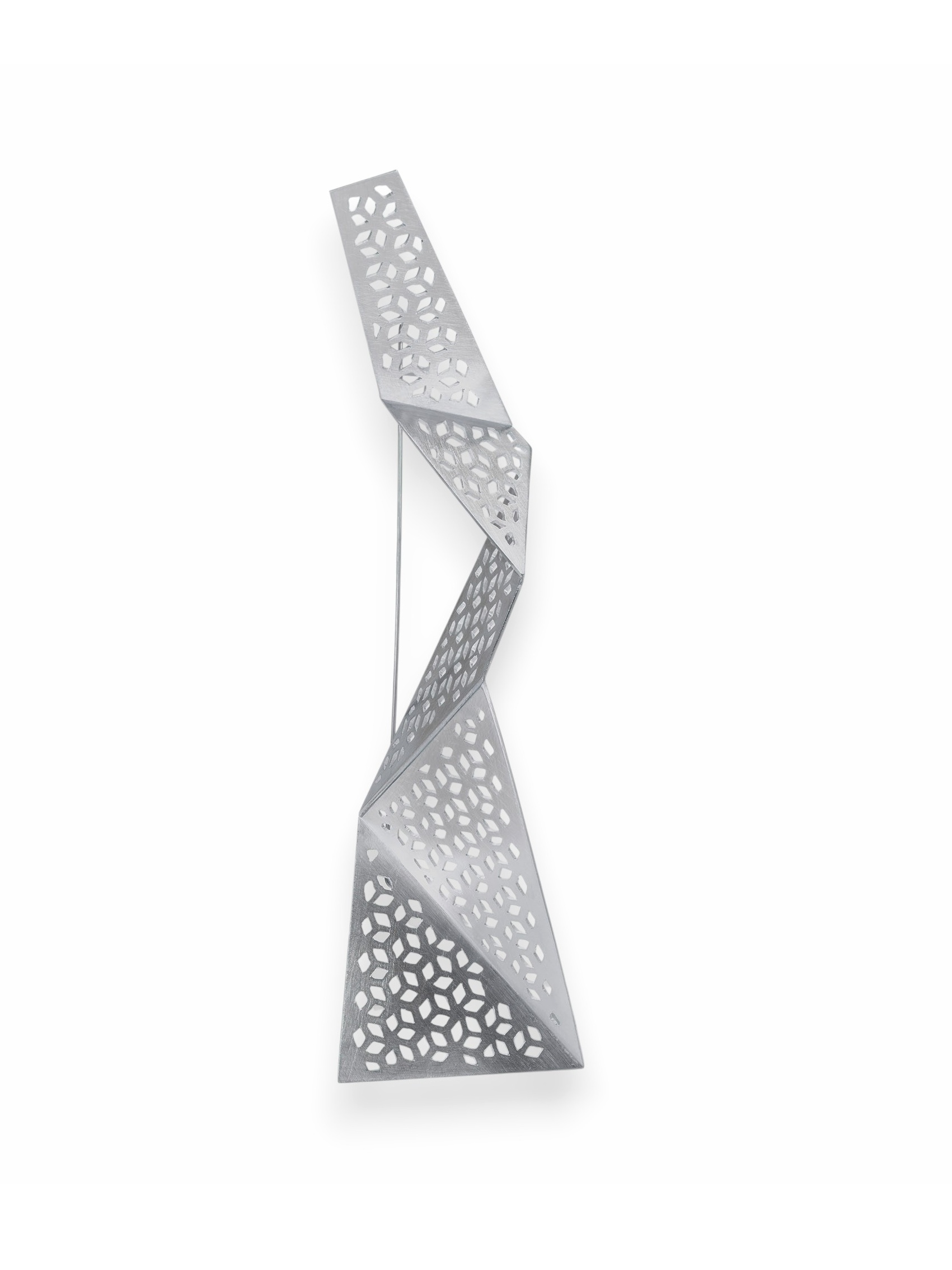
Brooch « Wavering-Heart-2 », 2025
110×30×20 mm / 19 gr
Silver950, Stainless steel spring wire
Openwork
Photo : Shion-Kizuki